Finding mold in your home can be unsettling, especially in Phoenix where our hot climate makes indoor air quality and moisture control extra important. Mold doesn’t just look bad, it can trigger allergies, worsen asthma, and even cause structural damage if ignored. Here’s a step-by-step guide on how to handle mold safely and effectively.
Why Mold Grows in Arizona Homes
Mold spores are everywhere in the air, but they only thrive when moisture is present. Common sources of moisture inside Phoenix homes include:
- Plumbing leaks or roof leaks
- Flooding or backed-up sewers
- Damp basements or crawlspaces
- Steam from showers, cooking, or unvented dryers
- Over-watering houseplants
If you notice condensation on windows or walls, that’s a red flag that excess indoor moisture and possibly mold is present.
Health Risks of Mold Exposure
While everyone is exposed to some mold daily, high indoor levels can cause serious health problems. Those most at risk include:
- Infants and children
- Pregnant women and elderly adults
- People with asthma, allergies, or weakened immune systems
Common symptoms of mold exposure include:
- Wheezing or shortness of breath
- Sinus congestion and sore throat
- Eye irritation or blurry vision
- Persistent cough and skin rashes
- Headaches, memory issues, or mood changes
If you or your family experience these symptoms in a mold-affected home, consult a doctor.
How to Detect Mold in Your Phoenix Home
You don’t always need expensive testing to confirm mold. Signs include:
- Visible discoloration on walls, ceilings, or wood
- Musty, earthy odors
- History of water damage in the area
If you can see or smell mold, assume you have a problem and act quickly.
Safe Mold Cleanup: Step-by-Step
-
Fix the moisture source first. Repair leaks, improve ventilation, or reduce indoor humidity.
-
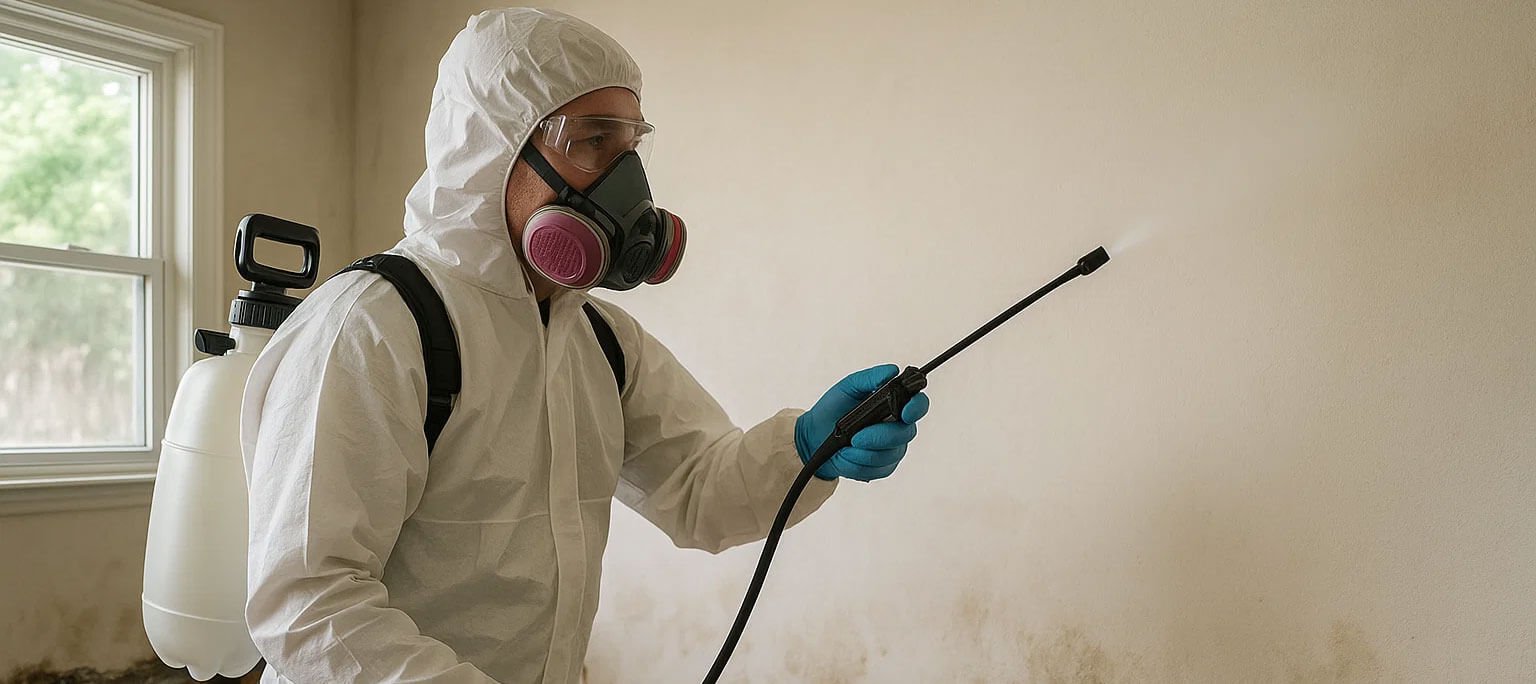
Protect yourself. Wear gloves, goggles, and a mask (an N95 respirator is best). Keep kids and pets away.
-
Remove contaminated materials. Porous items like carpet, drywall, rags, and rotten wood should be bagged and discarded.
-
Scrub surfaces. Use hot water and a non-ammonia soap or detergent. A stiff brush works well on block walls or textured surfaces.
-
Disinfect cautiously. You can use a diluted bleach solution (no more than 1 cup bleach per gallon of water), but never mix bleach with ammonia. Ensure the area is well-ventilated.
-
Dry thoroughly. Let the area air-dry for at least 2 to 3 days before making repairs or replacing materials.
⚠️ Tip: If the mold covers more than 10 square feet, consider hiring a licensed mold remediation contractor.
What About Air Ducts and Ozone Cleaners?
- Air ducts can harbor mold after water damage. Metal ducts may be cleaned, but fiberglass-lined ducts usually need replacement.
- Ozone air cleaners can help effectively kill surface mold and mold spores, it also breaks down mycotoxins but doesn’t address the root cause of mold, such as excessive moisture. Note: Ozone in high doses can be a lung irritant so it is not advised to use ozone treatment when humans and pets are in the house
Preventing Mold from Coming Back
The best defense is moisture control. In Phoenix homes, check regularly for:
- Condensation on windows
- Warped wood or cracked drywall
- Loose drywall tape
- Persistent musty smells
Quickly fixing leaks and maintaining good ventilation will keep your home mold-free.
When to Call a Professional
If the mold is widespread, hidden behind walls, or causing health issues, don’t risk your safety—contact a professional mold remediation company in Phoenix. They have the tools, protective gear, and experience to handle large-scale infestations safely.
Final Thoughts
Mold in your Phoenix home isn’t something to ignore. By acting quickly to stop the source of moisture, cleaning affected areas safely, and knowing when to call in experts, you can protect both your family’s health and your home’s structure.
Need help with mold removal in Phoenix? Contact Western Construction & Restoration for a professional inspection and safe remediation today.